The concept of vacuum has been around for centuries, with the first recorded mention of a vacuum pump dating back to 1659 by Otto von Guericke.
In 1659, Otto von Guericke invented the first vacuum pump, which he used to create a partial vacuum in a sphere.
The idea of a vacuum was further explored by scientists like Robert Boyle, who in 1660 demonstrated the existence of a vacuum by removing air from a sealed container.
The word "vacuum" comes from the Latin word for "empty".
On a similar theme: Expectation Propagation
Etymology and History
This unique word has an interesting quirk: it's one of the few words in the English language that contains two consecutive instances of the vowel "u." That's a fun fact to keep in mind the next time you use the word.
The concept of a vacuum has been around for centuries, but the first manual vacuum cleaners emerged in the 1860s, using bellows to create suction.
For more insights, see: Structured Sparsity Regularization
Etymology
This Latin root is related to the verb "vacare", which means "to be empty." It's interesting to note that the word vacuum is one of the few words in the English language that contains two consecutive instances of the vowel "u."
History
The history of the vacuum cleaner is a fascinating story that spans over a century. The first manual vacuum cleaners using bellows were developed in the 1860s.
These early models were a far cry from the sleek and powerful machines we use today. They marked the beginning of a new era in cleaning technology.
At the turn of the 20th century, the first motorized vacuum cleaners appeared, revolutionizing the way people cleaned their homes. The first decade of the 20th century was the boom decade for motorized vacuum cleaners.
Classical and Quantum Theories
In classical field theories, a vacuum is defined as a region of space and time where all the components of the stress–energy tensor are zero, meaning it's devoid of energy and momentum.
This implies that the vacuum must be empty of particles and other physical fields, such as electromagnetism, which contain energy and momentum.
In quantum mechanics, the vacuum is defined as the state with the lowest possible energy, the ground state of the Hilbert space.
QED vacuum, a state with no matter particles and no photons, is a theoretical model that provides a good representation of realizable vacuum and agrees with experimental observations.
QED vacuum has interesting properties, including vacuum fluctuations, which are virtual particles that hop into and out of existence, and a finite energy called vacuum energy.
Classical Field Theories
In classical field theories, a vacuum is defined as a region of space and time where all the components of the stress–energy tensor are zero.
This means that the region is devoid of energy and momentum, and as a result, it must be empty of particles and other physical fields that contain energy and momentum.
In other words, a vacuum is a complete absence of matter and energy, and it's a crucial concept in understanding the behavior of physical systems.
Quantum Mechanics
In quantum mechanics, the vacuum is defined as the state with the lowest possible energy, also known as the ground state of the Hilbert space.
This state, referred to as QED vacuum, has no matter particles and no photons, which makes it impossible to achieve experimentally.
The electric and magnetic fields in QED vacuum have zero average values, but their variances are not zero, resulting in vacuum fluctuations and a finite energy called vacuum energy.
Vacuum fluctuations are a fundamental aspect of quantum field theory, and some experimentally verified effects include spontaneous emission and the Lamb shift.
Coulomb's law and the electric potential in vacuum near an electric charge are modified in QED vacuum.
Multiple vacuum states can coexist in quantum chromodynamics, and transitions between these states are thought to have caused the starting and ending of cosmological inflation.
Theoretically, each stationary point of the energy in the configuration space gives rise to a single vacuum in theories obtained by quantization of a classical theory.
Central
Central vacuum cleaners are a type of canister/cylinder model with the motor and dirt filtration unit located in a central location in a building.
They're connected by pipes to fixed vacuum inlets installed throughout the building, making it easy to move around without changing vacuum inlets.
The hose is usually 8 m (25 ft) long, allowing for a large range of movement.
The dirt bag or collection bin in a central vacuum system is usually so large that emptying or changing needs to be done less often, perhaps a few times per year.
This is a significant advantage, as it reduces the hassle of frequent cleaning.
A central vacuum typically produces greater suction than common portable vacuum cleaners because a larger fan and more powerful motor can be used.
This is especially beneficial for allergy sufferers, as it removes all the dirt collected to the central unit, rather than recirculating it back into the room.
Tests have shown that vacuuming can kill 100% of young fleas and 96% of adult fleas.
Central vacuum cleaners are also much quieter than standard vacuum cleaners, making them ideal for cleaning in living areas.
Measurement and Pressure
Measuring vacuum is a bit tricky because it's relative to the surrounding environment. On Earth at sea level, vacuum is measured relative to ambient atmospheric pressure, which is 1 atmosphere.
The SI unit of pressure is the pascal, but vacuum is often measured in torrs, which is equivalent to the displacement of a millimeter of mercury in a manometer. A torr is equal to 133.3223684 pascals above absolute zero pressure.
Low vacuum is often measured in millimeters of mercury or pascals below standard atmospheric pressure. This means that the absolute pressure is equal to the current atmospheric pressure.
Measurement
Measuring vacuum can be a bit tricky, especially when you consider that it's a relative measurement. It's typically measured as a subtraction relative to ambient atmospheric pressure on Earth.
The SI unit of pressure is the pascal (Pa), but vacuum is often measured in torrs, named after an Italian physicist Torricelli.
To properly understand vacuum measurement, it's essential to assume the relative measurements are being done on Earth at sea level, at exactly 1 atmosphere of ambient atmospheric pressure. This is because vacuum readings can vary greatly depending on local conditions.
A torr is equal to the displacement of a millimeter of mercury (mmHg) in a manometer with 1 torr equaling 133.3223684 pascals above absolute zero pressure.
Pneumatic
Pneumatic systems are often used in industrial settings where compressed air is readily available.
In these environments, pneumatic wet/dry vacuum cleaners can be a game-changer, accommodating both wet and dry soilage with ease.
They hook up to compressed air, making them a convenient and efficient option for cleaning up spills and messes.
This feature is particularly useful in industrial plants and manufacturing facilities, where quick and effective cleaning is crucial.
Pneumatic wet/dry vacuum cleaners are a specialized form of wet/dry models, designed to take advantage of compressed air.
Suction (PA)
Suction (Pa) is a crucial aspect of pumps, and it's measured in units of pressure, specifically in Pascals (Pa).
A typical domestic model has a suction of about negative 20 kPa.
The higher the suction rating, the more powerful the cleaner.
One inch of water is equivalent to about 249 Pa.
The typical suction is 80 inches (2,000 mm) of water.
Parameters
Suction is a critical parameter in pumps, and it's measured in Pascals (Pa). A typical domestic model has a suction of about negative 20 kPa, which means it can lower the pressure inside the hose from normal atmospheric pressure by 20 kPa.
One inch of water is equivalent to about 249 Pa, making the typical suction of 80 inches (2,000 mm) of water a significant rating.
Measuring Instruments and Uses
A vacuum's properties make it a crucial component in various measuring instruments. Electron microscopes, for example, rely on the electrical properties of vacuum to function.
These instruments allow us to study the microscopic world with great precision. Physical vapor deposition, a process that uses a vacuum to deposit materials, is also essential in the fabrication of semiconductors and optical coatings.
In addition to these applications, vacuum tubes, including cathode-ray tubes, are made possible by the electrical properties of vacuum.
Measuring Instruments
Measuring the performance of a vacuum cleaner can be a bit tricky, but it's essential to know what you're looking for. Airflow, in litres per second or cubic feet per minute, is a key parameter to consider.
Air speed is also crucial, and it's measured in metres per second or miles per hour. A higher air speed typically means a more efficient cleaning experience.
Suction, vacuum, or water lift, measured in pascals or inches of water, indicates how well the vacuum can pick up dirt and debris. The higher the suction power, the better.
Weight is another important factor, and it's usually measured in kilograms or pounds. A lighter vacuum can be easier to maneuver, but it may not be as effective.
Noise level, measured in decibels, is also a consideration. If you plan to use the vacuum during the day or in a shared space, look for one with a lower decibel rating.
The power consumption of a vacuum cleaner is often stated in watts, but this doesn't necessarily indicate its effectiveness. In fact, many North American vacuum manufacturers only provide the current in amperes, leaving it to the consumer to calculate the power rating in watts.
Here are the common units used to measure the performance of a vacuum cleaner:
After 2014, the EU implemented rules banning vacuum cleaners with a power consumption greater than 1600 watts. In 2017, this limit was further reduced to 900 watts.
Uses
Uses
A vacuum is incredibly useful in various processes and devices, from protecting delicate filaments to removing air friction.
It's first widespread use was in the incandescent light bulb to shield the filament from chemical degradation, which is essential for its longevity.
The chemical inertness produced by a vacuum is also useful for electron beam welding, cold welding, vacuum packing, and vacuum frying, which are all important industrial processes.
Ultra-high vacuum is used in the study of atomically clean substrates, allowing scientists to preserve surfaces for a reasonably long time, typically minutes to days.
High to ultra-high vacuum removes air obstruction, enabling particle beams to deposit or remove materials without contamination, a principle behind chemical vapor deposition and physical vapor deposition.
The reduction of convection provides thermal insulation in thermos bottles, keeping liquids at a stable temperature.
Deep vacuum lowers the boiling point of liquids and promotes low temperature outgassing, used in freeze drying, adhesive preparation, distillation, metallurgy, and process purging.
The electrical properties of vacuum make electron microscopes and vacuum tubes possible, including cathode-ray tubes, which are used in a variety of applications.
Vacuum interrupters are used in electrical switchgear, providing a safe and reliable way to control electrical currents.
The elimination of air friction is useful for flywheel energy storage and ultracentrifuges, allowing for more efficient and precise operations.
Shark Apex Upright
The Shark Apex Upright is a versatile and efficient vacuum cleaner that's perfect for whole-home cleaning. It's a bagless vacuum, which means you don't have to worry about constantly replacing bags.
One of the standout features of the Shark Apex Upright is its ability to convert from an upright to a canister. This makes it easy to reach into tight spaces and clean above the floor. Its brush roll is designed to minimize hair tangles, and the filters are washable, which makes maintenance a breeze.
The Shark Apex Upright also has two cleaning modes, which allow you to increase the air power to deep clean carpets. It's a mid-weight vacuum, weighing in at 16 pounds, but it's still easy to maneuver.
Here are some key specs to keep in mind:
- Weight: 16 lbs
- Cord length: 30 ft.
- Bag or bagless: Bagless
- Dust cup capacity: 0.8 L
- Cleaning modes: Thick carpet/area rugs, carpet/low pile, hard floor
The Shark Apex Upright's powerful suction and debris pickup make it a top performer in our lab tests. It's also worth noting that the vacuum's sealed body and HEPA filter work together to filter out tiny particles, making it a great choice for people with allergies.
Description
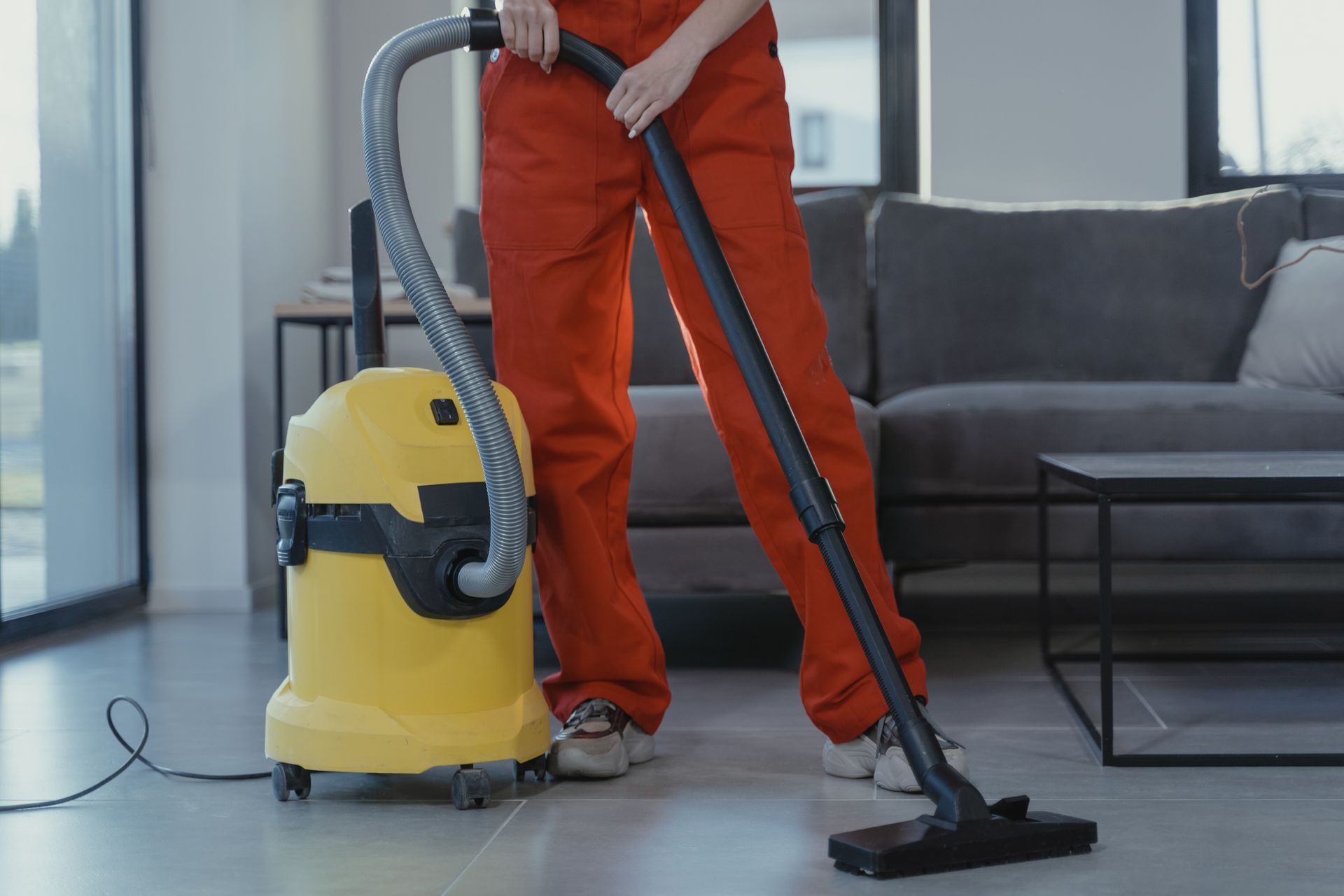
A canister vacuum's motor and dust collectors are usually in a separate unit, mounted on wheels, which is connected to the vacuum head by a flexible hose.
This design provides flexibility and maneuverability, making it easy to vacuum stairs and vertical surfaces. Many canister models have power heads as standard or add-on equipment, containing mechanical beaters that drive a separate electric motor or a turbine.
The Miele Complete C3 Canister Vacuum features a parquet floor brush, sturdy metal telescoping wands, and a motorized brush roll with headlights. It has five different suction settings to clean various surfaces.
The vacuum's high-filtration dust bag and HEPA AirClean filter help keep dust from being released back into the air. The power cord is retractable, and all the included tools can be stored in the canister.
Some canister vacuums, like the Miele Complete C3, have a retractable power cord and a dust bag capacity of 4.5 L. Others, like the Kenmore Pet Friendly Pop-N-Go, have a dust cup capacity of 2.1 L.
Here's a comparison of the dust bag capacities of some canister vacuums:
A VACUUM, in the context of PostgreSQL, reclaims storage occupied by dead tuples. This is necessary to free up space in the database, especially for frequently-updated tables.
Wet/Dry
Wet/dry vacuum cleaners are a specialized form of cylinder/drum models that can be used to clean up wet or liquid spills. They're designed to be used both indoors and outdoors and can accommodate both wet and dry debris.
Some wet/dry vacuums are equipped with an exhaust port or detachable blower for reversing the airflow, which is useful for clearing a clogged hose or blowing dust into a corner for easy collection.
Shop vacs can collect large, bulky or otherwise inconvenient material that would damage or foul household vacuum cleaners, like sawdust, swarf, and liquids. They use wide hoses that open directly into the collection chamber.
As the airstream enters the larger volume, its flow slows down, allowing the material to drop into the chamber before air is sucked out through the filter and to the vacuum's exhaust. This is why shop vacs are so effective at picking up big messes.
The performance of a shop vac can be evaluated by its motor's rating, suction ability, and total airflow through the system. These metrics are commonly used to compare different models and determine which one is best for a particular job.
Wet vacuums have been modified by end users, adding an internally-mounted sump pump for continuous removal of liquids without having to stop to empty the tank. This is a great DIY solution for people who need to clean up a lot of water.
Outputs
Measuring instruments can emit progress messages to indicate which table is currently being processed.
These progress messages can provide valuable information about the tables being processed, such as their size or complexity.
Progress messages can be especially helpful when working with large or complex datasets, as they can help you stay on top of your work and identify any potential issues.
By paying attention to these messages, you can make informed decisions about how to proceed with your measurement or analysis.
Compatibility
In the world of measuring instruments, compatibility is a crucial aspect to consider. There is no standard for VACUUM statements in the SQL standard.
Some measuring instruments may still use older syntax, such as in PostgreSQL version 9.0 and before. The options in this syntax must be specified in exactly the order shown.
Bissell CleanView Bagless
The Bissell CleanView Bagless Vacuum is a budget-friendly option that's perfect for cleaning hard floors, carpets, and other surfaces. It has 16 pounds of weight and a 27-foot cord length.
One of the standout features of this vacuum is its adjustable height settings, which range from bare floors to high pile carpets. It also has an 8-foot hose for cleaning above the floor and a large, easy-to-empty dust cup with a capacity of 1 liter.
The vacuum's onboard storage for tools is another convenient feature, allowing you to keep all your accessories organized and within reach. And with a TurboBrush tool similar to those found on pricier models, you'll be able to tackle pet hair and other tough messes with ease.
The Bissell CleanView Bagless Vacuum has five height options, making it suitable for a variety of floor types. However, it's worth noting that some pet hair did cling to the brush attachment during testing.
Here's a summary of the vacuum's key features:
- Weight: 16 lbs
- Cord length: 27 ft.
- Dust cup capacity: 1 L
- Height settings: 5 (bare floor to high pile carpet)
Worx 20V Cordless Cube
The Worx 20V Cordless Cube is a compact and powerful handheld vacuum cleaner that's perfect for a variety of tasks.
It features a rinsable HEPA filter and a removable and replaceable battery, making it easy to maintain and use.
The Worx cordless cube is quiet and has a unique boxy shape that makes it easy to tote around.
It's a great option for a car vacuum, and its top handle makes it easy to carry.
You can walk around and vacuum cars, sofas, outdoor furniture, hard-to-reach places, shelves, and more with this powerful handheld model.
Here are some key specs to consider:
Its dust cup is small, but it empties from the bottom with the click of one button.
Types of Vacuums
There are several types of vacuums available, each with its own strengths and weaknesses. A full-sized canister or upright vacuum is best for deep cleaning, but can be heavy and expensive, with prices ranging from $65 to $1,600.
For quick cleaning, a stick vacuum is a great option, weighing between 3 and 9 pounds and priced between $100 and $1,050. Handheld vacuums are also ideal for surface and spot cleaning, weighing between 1 and 3 pounds and priced between $35 and $250.
Here are some of the main types of vacuums and their characteristics:
- Upright Vacuums: Best for deep cleaning, price $65 - $1,600, weight 8 - 23 pounds
- Canister Vacuums: Best for hardwood floors, price $250 - $1,500, weight 15 - 26 pounds
- Stick Vacuums: Best for quick cleaning, price $100 - $1,050, weight 3 - 9 pounds
- Handheld Vacuums: Best for surface and spot cleaning, price $35 - $250, weight 1 - 3 pounds
- Robotic Vacuums: Best for touch-ups and ongoing light cleaning, price $180 - $1,600
Cyclonic
Cyclonic vacuums are a popular type of cleaner that work on the cyclonic separation principle, which was first introduced by Cleveland's P.A. Geier Company in 1928.
They don't use filtration bags, instead separating dust in a detachable cylindrical collection vessel or bin. The dust particles and other debris move to the outside of the vessel by centrifugal force, where they fall due to gravity.
Cyclonic cleaners create a fast-spinning vortex by sucking air and dust at high speed into the collection vessel at a direction tangential to the vessel wall. This design allows for efficient dirt separation.
In fixed-installation central vacuum cleaners, the cleaned air may be exhausted directly outside without need for further filtration. This is because the cyclonic filtration system loses suction power due to airflow restriction only when the collection vessel is almost full.
The first cyclonic portable vacuum was introduced by James Dyson in the 1980s in Japan, at a cost of about US$1800. This was later followed by the release of the Dyson DC01 upright in the UK in 1993 for £200.
Cyclonic cleaners are now widely available from several manufacturers, including Hoover, Bissell, Bosch, Eureka, Electrolux, and Vax. This high level of competition has made the cheapest models no more expensive than a conventional cleaner.
Best Type
When choosing the best type of vacuum for your needs, consider the specific tasks you'll be using it for. A full-sized canister or upright vacuum is best for deep cleaning, with prices ranging from $65 to $1,600 and weights between 8 and 23 pounds.
If you have hardwood floors, a canister vacuum is a good choice, priced between $250 and $1,500 and weighing between 15 and 26 pounds.
For quick cleaning, stick vacuums are ideal, priced between $100 and $1,050 and weighing between 3 and 9 pounds.
For surface and spot cleaning, handheld vacuums are the way to go, priced between $35 and $250 and weighing between 1 and 3 pounds.
Robotic vacuums are perfect for touch-ups and ongoing light cleaning, with prices ranging from $180 to $1,600.
Here's a summary of the different types of vacuums and their characteristics:
Technology and Features
A vacuum's suction is caused by a difference in air pressure. A fan driven by an electric motor reduces the pressure inside the machine, allowing atmospheric pressure to push the air through the carpet and into the nozzle, and so the dust is literally pushed into the bag.
Filters are a crucial feature in vacuum cleaners, as they trap dirt and particles, preventing them from being released into the air. In fact, models with a HEPA filter have been very effective at reducing such emissions, which is helpful for people with allergies and respiratory issues.
Here are some common features to look for in a vacuum: Cord control, which allows for easy management of the cord, is a feature often found in upright vacuums, while canisters typically have a rewind feature that stores the cord internally.Attachments, such as a crevice tool for cleaning corners and hard-to-reach areas, are also a common feature in many vacuums.
Technology
A vacuum's suction is caused by a difference in air pressure. Atmospheric pressure then pushes the air through the carpet and into the nozzle, and so the dust is literally pushed into the bag.
The electric motor, often a universal motor, drives the fan that reduces the pressure inside the machine. This is what makes the suction work.
The fan is what creates the airflow that picks up the dust and debris from the carpet. It's a pretty simple but effective mechanism.
Key Features
If you're in the market for a new vacuum, there are several key features to consider. These features can make a big difference in how well your vacuum performs and how easy it is to use.
Cord control is a feature to look for, especially if you have a lot of cord to manage. Uprights often have a cord-release clip that lets you free the entire cord at once, while canisters typically have a rewind feature that stores the cord internally.
Filters are another important feature to consider, especially if you or a family member has allergies. Models with a HEPA filter have been very effective at reducing emissions, which can be a big relief for people with respiratory issues.
An on/off brush roll switch is a convenient feature that helps prevent debris from scattering when cleaning hardwood, vinyl, and other uncarpeted surfaces. This feature is especially useful for cleaning bare floors without sending dust flying everywhere.
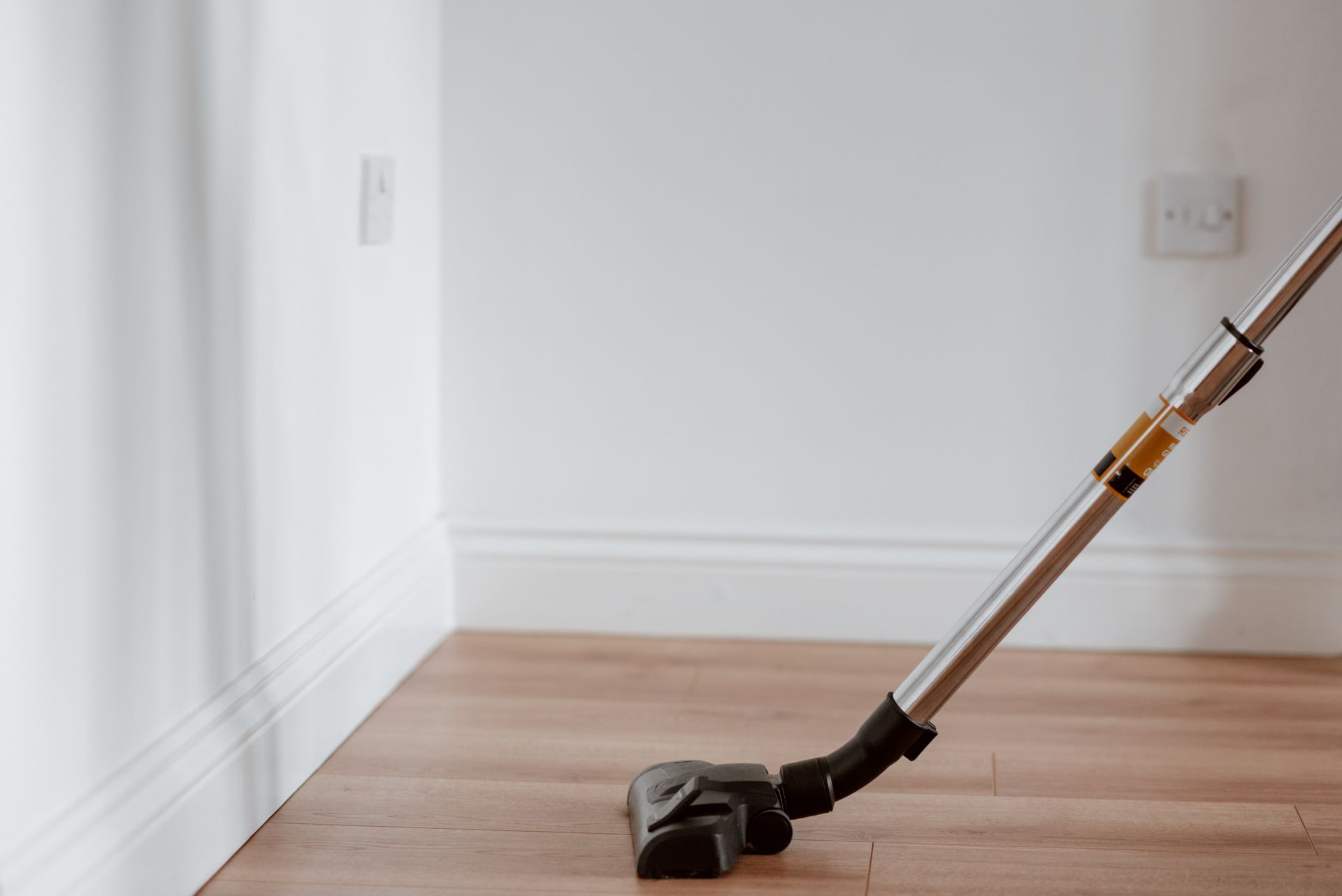
Attachments are a must-have for many vacuum users. Crevice tools, small brushes for upholstery, and extension wands are just a few examples of the many attachments you can find on vacuums.
Manual pile height adjustment is a feature that allows you to adjust the height of your vacuum's brush roll to match the pile height of your carpet. This makes it easier to move around and clean your carpets thoroughly.
Here are some common vacuum features to consider:
- Cord control: Uprights often have a cord-release clip, while canisters have a rewind feature.
- Filters: HEPA filters are effective at reducing emissions.
- On/off brush roll switch: Helps prevent debris from scattering on bare floors.
- Attachments: Crevice tools, small brushes, and extension wands are just a few examples.
- Manual pile height adjustment: Allows you to adjust the brush roll height to match your carpet's pile height.
Bagged vs. bagless vacuums are another consideration. Bagged vacuums tend to hold more dirt and dust, and replacing a filled bag releases less dust and allergens into the air than emptying a dirt bin.
Choosing and Buying
Choosing the right vacuum for your home involves considering a few key factors. Got stairs? Carpet or hardwood floors? Pets? These are just some of the factors you should consider when buying a vacuum.
If you have beautiful hardwood floors or other noncarpeted surfaces, look at canister vacuums, which do well on that type of flooring. And if you live in a tiny place, a stick may be all you need.
Here are some vacuum options to consider based on your home's features:
You should also consider whether you need a second vacuum, especially if you have stairs or a large home.
Choosing the Right for Your Home
You have beautiful hardwood floors or other noncarpeted surfaces? Consider a canister vacuum, which does well on that type of flooring.
If you have wall-to-wall carpet or even some thick area rugs, an upright vacuum is the best choice. It can dig deeper into carpet fibers because the vacuum's entire weight is over the powerhead.
Carrying a heavy vacuum up and down stairs is a pain and a bit risky. If you have only one vacuum, a canister is the best choice because its two-part design lets you distribute the weight more evenly.
You have pets? Each vacuum we test goes through a special pet-hair pickup test, and models that do well on carpet do well at removing pet hair.
Here are some vacuum options to consider based on your home's needs:
Samsung Bespoke Jet
The Samsung Bespoke Jet is a high-tech vacuum cleaner that's worth considering if you're in the market for a new one. It's a cordless model that can run for up to 100 minutes on a single charge.
One of its standout features is its self-emptying capability, which reduces the amount of dust and dirt you'll need to deal with. This is especially useful if you're tired of cleaning the dust bin of a bagless vacuum.
The Samsung Bespoke Jet comes with three cleaning modes - min, mid, and max - which adapt to different carpet pile heights and densities. It also automatically adjusts the suction and brush roll speed to the flooring type.
This model is perfect for those who want a hassle-free cleaning experience. The vacuum self-empties, runs for over an hour, and is excellent at self-emptying. Plus, it automatically closes the dustbin door once it's empty.
The Samsung Bespoke Jet comes with extra dust bags and an assortment of attachments. However, it would be even more convenient if it came with an extra battery for an even longer run time.
Here are some key specs to consider:
- Weight: 6.3 lbs
- Cord length: Cordless
- Battery life/Run time: Up to 100 minutes
- Bag or bagless: Bagless
- Dust cup capacity: 0.5 gallons
- Cleaning modes: Automatically adjusts to carpet or hardwood; offers mid, min and low speeds
Robotics and Accessories
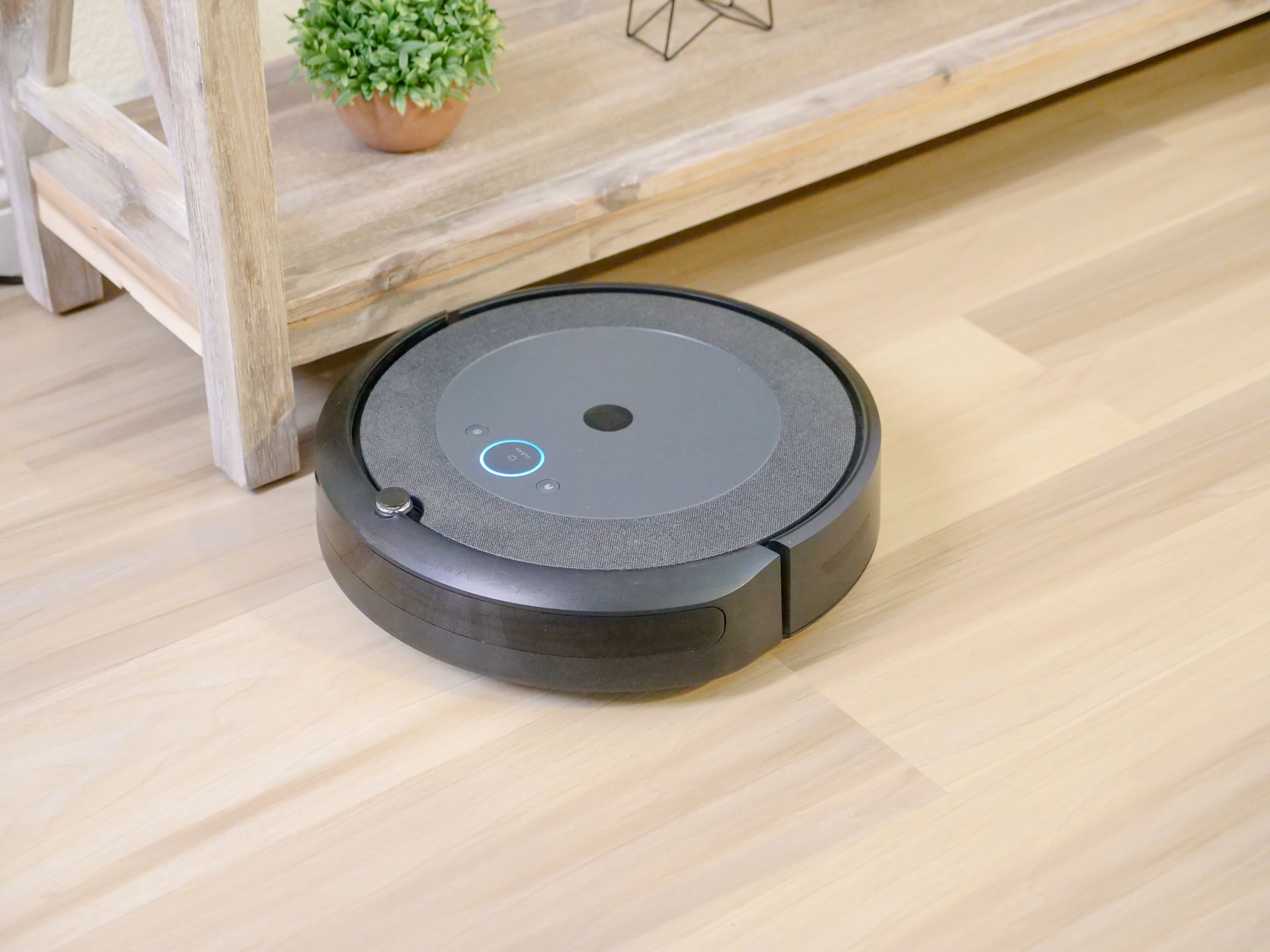
Robotic vacuum cleaners have made cleaning easier and more efficient. They are usually equipped with limited suction power and can navigate around furniture while collecting surface dust and debris into a dustbin.
Some prominent brands of robotic vacuum cleaners include Roomba, Neato, and bObsweep. They often come with motorized brushes and a vacuum motor to collect dust and debris.
In 2009, Neato Robotics launched the world's first robotic vacuum cleaner with a rotating laser-based range-finder to scan and map its surroundings. This feature allows the robot to clean the floor methodically, even if it needs to return to its base multiple times to recharge.
Attachments for vacuum cleaners are also available, including specialized tools like hard floor brushes, powered floor nozzles, dusting brushes, crevice tools, and upholstery nozzles. These tools allow for cleaning of various surfaces and hard-to-reach areas.
Driven Machines
Robotic vacuum cleaners have come a long way since their introduction in the late 1990s and early 2000s. They now use advanced technology like rotating laser-based range-finders to map and clean floors methodically.
Some prominent brands, such as Roomba, Neato, and bObsweep, offer models that can navigate around furniture and return to a docking station to charge their batteries. These machines usually have motorized brushes and a vacuum motor to collect dust and debris.
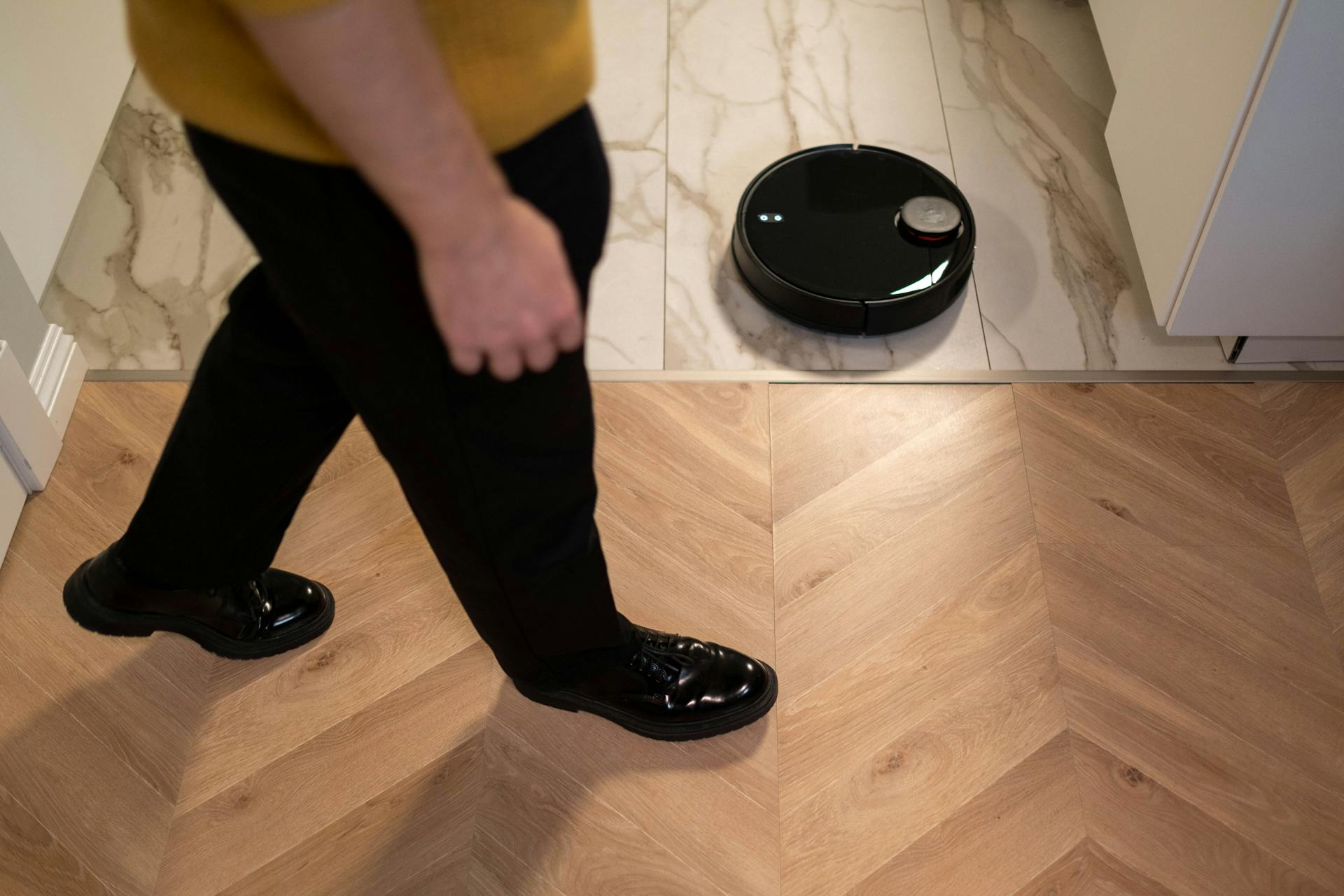
The iRobot Roomba s9+ Robot Vacuum is a top performer in our tests, picking up 99% of dry debris on hard floors. It maps and remembers multiple rooms and floor plans, and can spot clean small areas quickly and effectively.
Vacuum-driven machines have a wide variety of applications beyond cleaning. For example, vacuum brakes were once widely used on trains in the UK, but have been replaced by air brakes on most modern trains.
In contrast, vacuum-powered instruments, such as the Attitude Indicator (AI) and Heading Indicator (HI), are still used in some aircraft to provide a backup system in case of electrical failure.
Attachments
Attachments are a crucial part of a vacuum cleaner's functionality, allowing you to reach tight spaces and clean various surfaces with ease.
Most vacuum cleaners come with specialized attachments, such as tools, brushes, and extension wands, which make cleaning a breeze.
A hard floor brush is a common attachment that's perfect for non-upright designs, allowing you to sweep and clean hard floors with precision.
Some other common attachments include a crevice tool, which is great for getting into tight spaces, and a vacuum hose, which can be used to extend your cleaning reach.
Here are some common attachments you might find with your vacuum cleaner:
- Hard floor brush (for non-upright designs)
- Crevice tool
- Vacuum hose
- Dusting brush
- Upholstery nozzle
Examples and Reviews
Let's take a look at some examples of vacuum pressures in different situations. The pressure in a vacuum cleaner is approximately 80 kPa, which is equivalent to 600 torrs.
You can also find vacuum pressures in various industrial settings, such as a steam turbine exhaust, which has a pressure of around 9 kPa. In contrast, a liquid ring vacuum pump operates at a pressure of approximately 3.2 kPa.
Here's a list of some common vacuum pressures and their corresponding mean free paths:
The pressure in a thermos bottle is incredibly low, ranging from 1 to 0.01 Pa. This is because the vacuum is so good that it can keep liquids cold for hours.
Notes
To vacuum a table, you typically need the MAINTAIN privilege on the table, but database owners can vacuum all tables in their databases, except shared catalogs.
The VACUUM command will skip over any tables that the calling user doesn't have permission to vacuum.
While VACUUM is running, the search_path is temporarily changed to pg_catalog, pg_temp.
You can't execute VACUUM inside a transaction block.
For tables with GIN indexes, VACUUM also completes any pending index insertions, which is a good thing.
Here's a quick rundown of the options you can use with VACUUM:
- FULL: This option is not recommended for routine use, but it can be useful in special cases, like when you want to physically shrink a table to occupy less disk space.
- PARALLEL: This option is used only for vacuum purposes and doesn't affect the ANALYZE option if used together.
VACUUM can cause a substantial increase in I/O traffic, which might affect other active sessions, so it's a good idea to use the cost-based vacuum delay feature.
Dreame H12 Pro
The Dreame H12 Pro Wet Dry Vacuum Cleaner is a two-in-one model that's perfect for small storage spaces. It's designed to clean all different floors and messes with one tool.
This vacuum mop has an edge-to-edge cleaning design that gets into corners and along baseboards, making it a great choice for those who want to clean hard-to-reach areas. Its roller drying feature after self-cleaning is also a nice touch.
Consumer testers confirmed that it's easy and effective to use, with one user noting that it "honestly did all of the work" on hardwood floors. They also liked its speed, especially on hardwood floors.
The Dreame H12 Pro has a 35-minute battery life and a 900 ml clean water tank and 700 ml dirty water tank capacity. It's a bit heavier than some other models, weighing in at 10.5 lbs.
Here are some key features of the Dreame H12 Pro:
Some users have noted that the Dreame H12 Pro can smell even after maintenance, but overall it's a great choice for those who want a versatile and easy-to-use vacuum mop.
Miele Complete C3 Canister
The Miele Complete C3 Canister is a top-notch vacuum that's designed to last for years. It's equipped with a parquet floor brush, sturdy metal telescoping wands, and a motorized brush roll with headlights.
This model offers five different suction settings to clean everything from delicate drapes and lampshades to plush, high-pile carpets. It's also one of the most expensive canister vacuums we've tested, but it's a favorite in our Lab and will likely prevent you from needing to replace it in the long run.
The high-filtration dust bag and HEPA AirClean filter help keep dust from being released back into the air. This feature is especially beneficial for people with allergies or respiratory issues.
Here are some key specs for the Miele Complete C3 Canister:
Some online reviewers have noted that the small wheels can get caught when pulling the vacuum along, and it clocks in at over 20 pounds, making carrying it upstairs difficult for some.
Testing and Comparison
We test vacuum cleaners in a lab to ensure accurate performance comparisons. Hundreds of different vacuum cleaners have been tested, including the best self-empty robot vacuums and top-performing HEPA vacuums.
Our tests are based on industry-standard methods from ASTM International. We meet twice yearly with engineers and technical representatives from all brands to develop and shape these test standards.
We use a custom-built machine that makes the same number of passes over the same test carpeting to measure vacuum performance. This machine objectively measures how well each vacuum removes dirt from medium-pile carpet.
We test how well vacuums remove large and small debris from hard flooring, including gritty sand and dried orzo pasta. We also evaluate how well they clean along edges and how much suction they draw through the tools.
Pet hair is simulated using industry-standard rayon fibers, which we evenly spread on a carpet's surface to see how well each machine cleans it up. We test for ease of use, including maneuverability and battery run-time for cordless vacuum cleaners.
Consumer testers rate the vacuums' maneuverability by running them on a bare floor and carpet, around corners and under furniture. They also rate the ease of removing the dust cups or bags and the ease of operating the vacuums' controls.
Frequently Asked Questions
What is the #1 best vacuum?
The top-rated vacuum is the Shark Detect Pro Cordless, known for its exceptional suction power and versatility. For more information and to compare it with other top models, view our full list of recommended vacuums.
What is a vaccum in physics?
A vacuum in physics is a space with extremely low pressure, where particles have little to no effect on processes. It's a condition measured in pascals, far below normal atmospheric pressure.
Featured Images: pexels.com