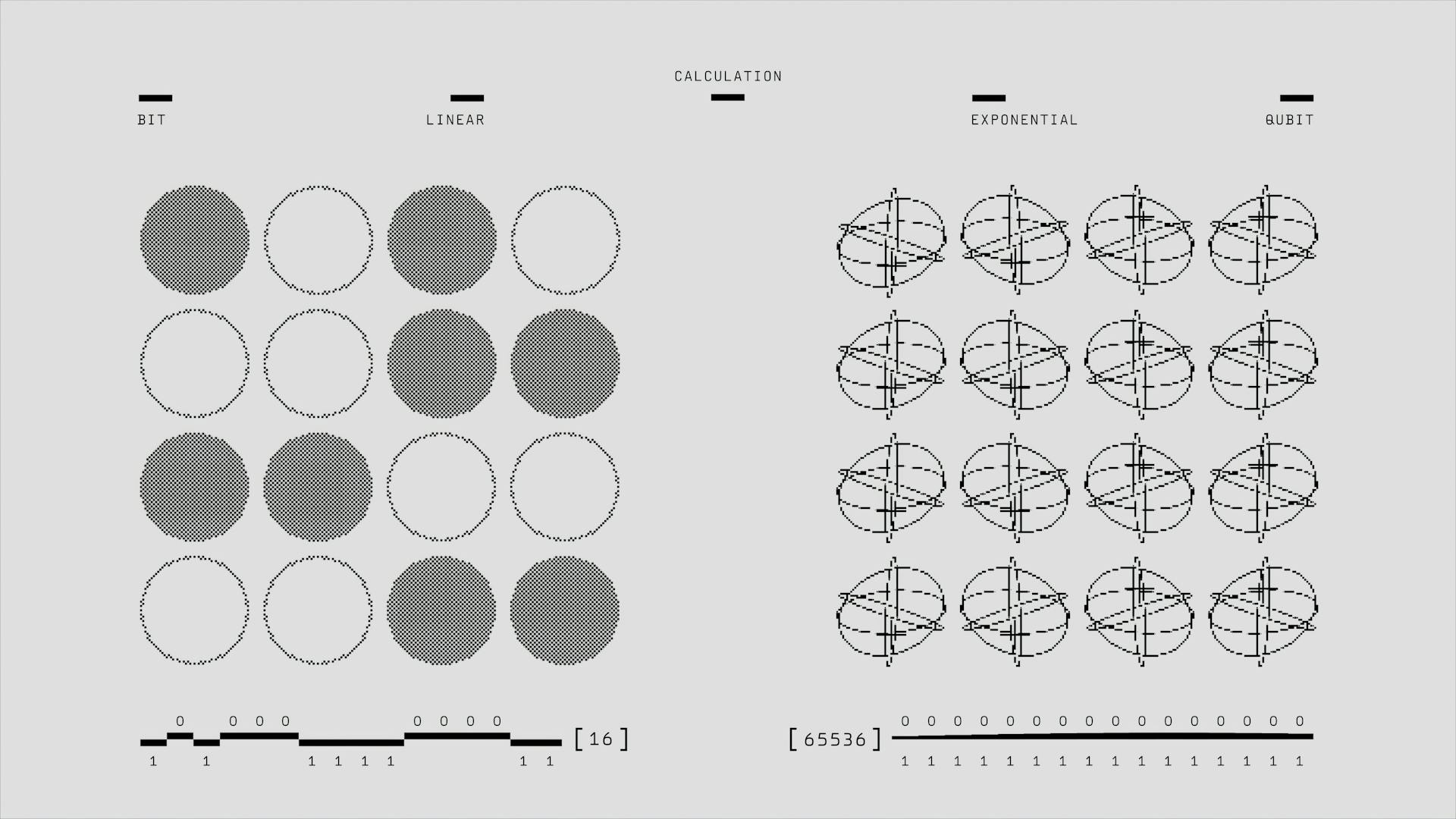
Technical informatics is a field that combines computer science and information science to manage and process large amounts of data. It's all about using technology to turn data into useful information.
This field has its roots in the 1960s, when computer scientists began developing systems to manage and analyze complex data sets.
Data is the backbone of technical informatics, and it's what allows us to make informed decisions and drive business forward.
Additional reading: Recurse Center
What Is Informatics?
Informatics is the science of using data, information, and knowledge to improve human health and healthcare services. It's a multidisciplinary field that focuses on health information technologies (HIT) and involves computer, cognitive, and social sciences.
Biomedical and health informatics applies principles of computer and information science to advance life sciences research, health professions education, public health, and patient care. This field has developed its own areas of emphasis and approaches that set it apart from other professions and disciplines.
Biomedical informatics (BMI) is the interdisciplinary, scientific field that studies and pursues the effective uses of biomedical data, information, and knowledge for scientific inquiry, problem solving, and decision making. It's motivated by efforts to improve human health.
Here are some key aspects of BMI:
- BMI develops, studies, and applies theories, methods, and processes for the generation, storage, retrieval, use, and sharing of biomedical data, information, and knowledge.
- BMI builds on computing, communication, and information sciences and technologies and their application in biomedicine.
- BMI investigates and supports reasoning, modeling, simulation, experimentation, and translation across the spectrum from molecules to populations.
- BMI draws upon the social and behavioral sciences to inform the design and evaluation of technical solutions and the evolution of complex economic, ethical, social, educational, and organizational systems.
Informaticians conduct research and apply findings to improve processes and propose solutions to technical, clinical, and organizational challenges hampering successful technology implementations.
Areas of Practice
AMIA supports several practice areas, including engineering and computer science. These fields combine to equip graduates with a solid understanding of both hardware and software implementation.
The Bachelor of Engineering Informatics program is a great example of this combination, providing students with a sustainable training program that qualifies them for a career in industry or a master's degree. Graduates are in high demand for system development in both hardware and software.
Possible specializations in these fields include information technology, engineering, and computer science. These specializations can lead to various career paths, such as programming, computer operations, or database analysis.
Here are some possible career paths in technical informatics:
- Programmers
- Computer operators
- Help desk/software support
- Video game designers
- Networking technicians
- Database/computer analyst
Public Health
Public Health is a broad field that can touch on various aspects of our lives, including the environment, work, and living places. It's a vital area that requires the application of informatics to support public health functions.
Public Health Informatics is the application of informatics to areas like surveillance, prevention, preparedness, and health promotion. This field works on information and technology issues from the perspective of groups of individuals.
Public health informatics professionals use interoperable information systems for functions such as biosurveillance, outbreak management, electronic laboratory reporting, and prevention. These systems are crucial for identifying and responding to public health threats.
AMIA supports the development and use of these interoperable information systems through education, training, accreditation, and certification.
Issues of Concern
In areas of practice like environmental law, issues of concern often revolve around pollution and its impact on ecosystems.
The presence of pollutants like pesticides and heavy metals in water sources can have devastating effects on aquatic life.
These pollutants can also seep into the food chain, posing a threat to human health.
The use of renewable energy sources can help mitigate pollution, but it requires careful planning and implementation.
In areas of practice like family law, issues of concern often center around child custody and support.
The court's primary concern is the child's best interests, which may involve balancing the needs of both parents.
This can be a complex and emotionally charged issue, requiring a delicate approach from lawyers and judges alike.
In areas of practice like intellectual property law, issues of concern often involve copyright and trademark infringement.
The unauthorized use of someone else's creative work can have serious consequences, including financial losses and damage to reputation.
This is why it's essential for businesses and individuals to protect their intellectual property through registration and licensing.
Computer and Information Technologies
Computer and Information Technologies is an in-demand field that can take you far in your career. Every field needs employees with computer knowledge, and computer-related jobs are among the fastest-growing in the country.
Computer and Information Technologies graduates work in a variety of roles, including programmers, computer operators, and help desk/software support. They also work as video game designers, networking technicians, and database/computer analysts.
Some of the job titles held by CIT graduates include:
- Programmers
- Computer operators
- Help desk/software support
- Video game designers
- Networking technicians
- Database/computer analyst
In fact, CIT graduates work for top companies like Amazon, Xerox, and the University of Kentucky. They also have a high level of job satisfaction, which is a testament to the value of this field.
Translational Bioinformatics
Translational Bioinformatics is the development of storage, analytic, and interpretive methods to optimize the transformation of increasingly voluminous biomedical data, and genomic data, into proactive, predictive, preventive, and participatory health.
This field includes research on the development of novel techniques for the integration of biological and clinical data, which is crucial for making informed decisions in healthcare.
The end product of translational bioinformatics is newly found knowledge from these integrative efforts that can be disseminated to a variety of stakeholders, including biomedical scientists, clinicians, and patients.
This knowledge can be used to improve patient outcomes, and it's essential for the development of personalized medicine, which tailors treatment to individual needs.
Translational bioinformatics encompasses the evolution of clinical informatics methodology to encompass biological observations, which is a significant advancement in healthcare technology.
Informatics in Healthcare
Informatics in Healthcare is a rapidly evolving field that's changing the way we approach health and healthcare. Through education, training, accreditation, and certification, organizations like AMIA support the current and next generation of informatics professionals.
Public Health Informatics focuses on applying informatics in areas like surveillance, prevention, preparedness, and health promotion. It's a broad field that can even touch on environmental and workplace issues.
AMIA focuses on public health aspects that enable the development and use of interoperable information systems for functions like biosurveillance, outbreak management, and electronic laboratory reporting. These systems help prevent and manage public health crises.
Public Health Informatics and population informatics work on information and technology issues from the perspective of groups of individuals. This approach helps identify and address public health needs more effectively.
For another approach, see: Medical Informatic
Clinical Informatics
Clinical Informatics is the application of informatics and information technology to deliver healthcare services. It's also referred to as applied clinical informatics and operational informatics.
Clinical Informatics involves the use of informatics to support healthcare services, which is a crucial aspect of delivering quality care. This field is closely related to Clinical Research Informatics, which focuses on the discovery and management of new knowledge related to health and disease.
Clinical Informatics plays a vital role in managing information related to clinical trials, which is a key aspect of Clinical Research Informatics. This includes the use of informatics to support translational research, which is the primary domain related to informatics activities to support translational research.
Expand your knowledge: Informatics Engineering
Education and Training
Technical informatics programs typically take around 3-4 years to complete, with a mix of theoretical and practical courses. The curriculum is designed to equip students with a solid foundation in mathematics, physics, and informatics.
You can expect to take courses in software technology, distributed systems, and embedded systems, as well as engineering mechanics and systems theory. Practical experience is also a crucial part of these programs, with many universities offering internship semesters where students work on specific tasks in an industrial company.
Some programs, such as the one mentioned in Example 2, offer concentrations in cybersecurity, data sciences, and human-centered design. These concentrations allow students to specialize in a particular area and gain in-depth knowledge and skills. For example, the cybersecurity concentration includes courses such as IST 543: Foundations of Software Security and IST 815: Foundations of Information Security and Assurance.
Here are some examples of courses you might take in a technical informatics program:
- Mathematics
- Physics
- Informatics & Information Technology
- Electrical Engineering
- Digital Systems
- Computer Architectures
- Network Systems
- Engineering Mechanics
- Software Technology
- Distributed Systems
- Embedded Systems
- IST 543: Foundations of Software Security
- IST 554: Network Management and Security
- IST 557: Data Mining: Techniques and Applications
- IST 520: Foundations in Human-Centered Design
Course Structure
The course structure of a degree program is a crucial aspect of education, and it's essential to understand what to expect.
The structure of a degree program typically includes a combination of core courses and elective courses. For example, the M.S. in Informatics at Penn State requires a minimum of 30 credits at the 400, 500, 600, or 800 level.
A typical degree program includes core courses that provide a foundation in the subject matter. In the case of the B.Sc. program, the core courses include Mathematics, Physics, Informatics & Information Technology, and Electrical Engineering.
Elective courses allow students to specialize in a particular area of interest. In the M.S. in Informatics program, students can choose from a variety of specialty area courses, including cybersecurity, data sciences, and human-centered design.
Here's a breakdown of the core and elective courses for the B.Sc. program:
- Mathematics
- Physics
- Informatics & Information Technology
- Electrical Engineering
- Digital Systems
- Computer Architectures
- Network Systems
- Engineering Mechanics
- Software Technology
- Distributed Systems
- Embedded Systems
- Software development project
- Mathematics
- Systems Theory
- Metrology and control engineering
- Electives, e.g. Model-based software development, Industrial Internet of Things, Programmable logic modules, …
In contrast, the M.S. in Informatics program requires students to complete at least 12 credits of specialty area coursework. Some examples of specialty area courses include IST 543: Foundations of Software Security and IST 557: Data Mining: Techniques and Applications.
Orientation Semester
The orientation semester is a great way to try out a degree programme before committing to it. You can take courses in the Engineering Informatics programme and see if it's a good fit for you.
It's a semester-long trial period that allows you to explore different fields of study.
Frequently Asked Questions
Is informatics the same as computer science?
Informatics and computer science are essentially the same field, focusing on the transformation of information through computational systems. Both terms describe the study and application of computer science as a profession.
What does an informatics engineer do?
Informatics engineers design, develop, and test computer systems, software, and algorithms to solve real-world problems and improve technology. They combine computer science, mathematics, and engineering principles to create innovative solutions.
What are the four types of informatics?
There are four main types of informatics: Health Informatics, Bioinformatics, Pharmacy Informatics, and Nursing Informatics, each focusing on a specific area of healthcare and data analysis. These fields leverage technology to improve patient outcomes, streamline healthcare processes, and advance medical research.
Featured Images: pexels.com